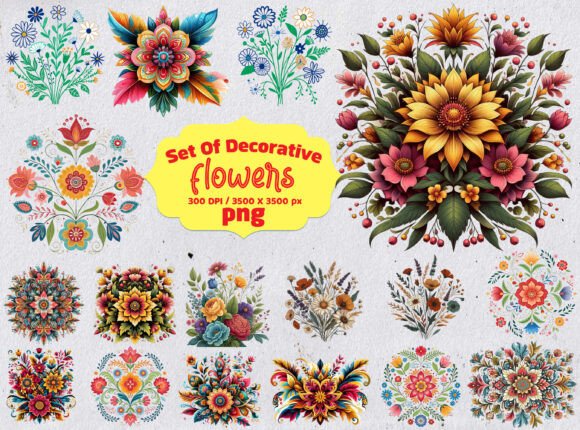
Set of Decorative Flowers: Your Go-To Design Asset
A Garden of Possibilities for Creative Projects
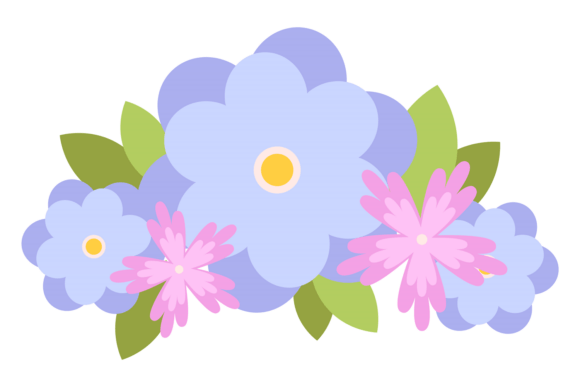
When you're working on a project that needs that extra touch of organic beauty, having a reliable set of decorative elements can save you hours of searching and editing. This particular collection of 28 floral designs offers exactly that kind of creative flexibility. Each flower illustration comes in a high-resolution 3500 x 3500 pixel format at 300dpi, which means they're ready for professional printing without any quality loss. The transparent PNG background is particularly useful because you can layer these flowers over any color, texture, or pattern without dealing with awkward white boxes or complicated masking techniques.
What makes this set stand out is its versatility across different mediums. Whether you're designing wedding invitations, creating merchandise for an online store, or adding visual interest to social media graphics, these floral elements adapt well. The style leans toward classic decorative illustration—detailed enough to feel premium but clean enough to work in both traditional and contemporary layouts. They're not overly stylized, which means they can complement various design approaches without overwhelming your existing visual language.
Where These Floral Designs Shine Brightest
For entrepreneurs and small business owners, these flowers become practical tools rather than just pretty pictures. Think about product packaging for artisanal goods, labels for handmade candles, or branding materials for a boutique florist. The consistent quality across the entire set ensures that your visual identity remains cohesive whether you're printing business cards or large-format wall art. Since the vector files resize without losing sharpness, you can use the same design element on a tiny sticker and a storefront window display without compromising quality.
Content creators and bloggers will find these particularly useful for editorial design work. They can serve as section dividers, header decorations, or background elements that add depth to magazine-style layouts. The flowers work well in both digital and print contexts, which is valuable if you're repurposing content across platforms. A design that works beautifully in a blog post can transition seamlessly to a printed lookbook or physical planner pages.
Crafters and hobbyists often struggle with finding design assets that actually look good when cut or engraved on physical materials. This set addresses that challenge directly. The clean lines and balanced compositions translate well to laser cutting machines and vinyl cutters. You could create intricate paper flower arrangements, custom decals for home décor, or unique embellishments for scrapbooking projects. The high resolution means even the finest details will reproduce clearly on your finished products.
Integrating Floral Elements Into Your Design Workflow
Working with a Set of Decorative Flowers effectively requires some strategic thinking about visual hierarchy and brand perception. These elements should enhance your design, not compete with your primary message. Consider using them as supporting actors in your composition—frame a product photo, accent a headline, or create subtle background texture. The key is maintaining balance so your typography and core content remain the focal points.
When evaluating how these flowers fit your project, think about your existing brand identity and color palette. The transparent PNG format makes color adjustments straightforward, but the illustration style should still align with your overall aesthetic. A vintage-inspired brand might embrace these floral elements more prominently, while a minimalist tech company might use them sparingly as accent pieces. Test different placements and scales to find what feels natural rather than forced.
Font pairing becomes especially important when combining these decorative elements with text. If your flowers have intricate details, consider pairing them with clean sans serif typefaces for contrast. More simplified floral designs might work well alongside script fonts or elegant serif options. Always preview your combinations at the actual size they'll appear—what looks balanced on screen might feel crowded in print, or vice versa.
The commercial licensing aspect deserves attention too. These assets are designed for both personal and commercial use, which opens doors for product-based businesses, freelance designers, and agencies alike. You can incorporate them into client work, merchandise, and marketing materials without worrying about licensing complications. This makes them particularly valuable for designers who need reliable design assets that work across multiple projects and clients.
Practical Tips for Getting the Most Value
Before committing to a large project with these flowers, create a few test compositions. Print a sample at the size you plan to use, check how the details reproduce on your specific printer or cutting machine, and evaluate how the elements interact with your other design components. This small investment in testing prevents costly revisions later and ensures your final product meets professional standards.
Organize the files in a way that makes them easy to access during your workflow. Consider creating a dedicated folder within your design assets library, and maybe even create thumbnail previews so you can quickly identify which flower works best for each application. The zip file format keeps everything bundled for easy sharing with team members or clients, but having an organized system on your end saves time during actual project work.
Remember that these decorative elements work best when they serve a purpose in your design. Whether that purpose is creating visual interest, establishing a specific mood, or guiding the viewer's eye through your layout, intentional use will always produce stronger results than simply adding flowers because they're available. Start with your design objectives, then determine how these assets can help you achieve them effectively.