Unleash Autumn's Charm: The Art of Decorative Acorns Clipart
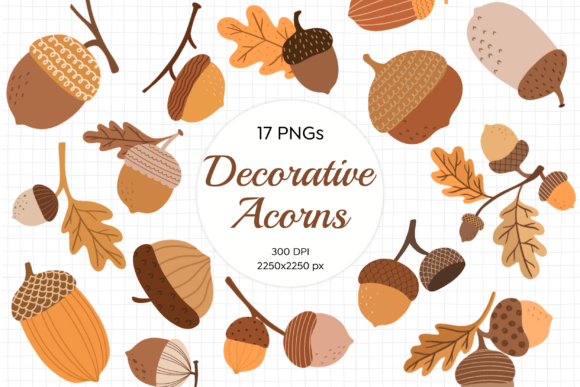
There's something deeply comforting about autumn. It’s the season of warm drinks, cozy textures, and the quiet beauty of nature preparing for rest. For designers, crafters, and small business owners, capturing that specific feeling is a powerful way to connect with an audience. This is where thoughtfully chosen design assets become invaluable. A collection like Decorative Acorns Clipart isn't just a set of images; it's a toolkit for evoking warmth, tradition, and organic elegance in your projects.
These aren't generic, auto-generated graphics. Each piece in this collection is an original hand-drawn illustration, giving it a personality and warmth that digital vector art often lacks. You can almost feel the texture of the acorn cap and the smoothness of the nut. This handcrafted quality is crucial for brands and creators who want to project authenticity. The style leans towards a detailed, naturalistic illustration, making it versatile enough for both rustic and sophisticated applications. The overall appeal is one of timeless craftsmanship—perfect for adding a touch of nature's quiet sophistication.
Where Nature Meets Design: Practical Applications
The true value of a design asset lies in its versatility. This high-resolution clipart collection, with its transparent background and 300 DPI print quality, is engineered for seamless integration into a wide array of projects. Let’s break down where these acorns truly shine.
For brand identity and logo design, a single, well-placed acorn can become a powerful symbol. Imagine a boutique coffee roaster using an acorn in its logo to signify growth and natural origins. For a children's educational brand, it could represent potential and learning. The key is using it as a focused element, not a background pattern, to create a memorable mark.
In editorial design and packaging design, these illustrations add instant thematic depth. A food blogger can use them to frame a recipe for acorn squash soup. A publisher can create a stunning chapter header for a book on foraging or woodland tales. For a small-batch jam company, an acorn motif on the label instantly communicates homemade, artisanal quality. The high resolution ensures these details remain crisp even on printed materials like menus, book covers, and product labels.
Digital creators will find endless uses in web design and social media graphics. Use them as subtle, repeating elements in a website background for a nature retreat center. Create engaging Instagram stories by having an acorn "fall" into frame to announce a new autumn collection. For Pinterest graphics, they make excellent decorative accents that stop the scroll. The transparent PNG format means you can layer them over any photo or color without a clumsy white box, maintaining a professional, polished look.
Of course, for scrapbooking, card designs, and DIY wall art, this collection is a dream. The generous clipart size (2250x2250 px) allows you to use them as central focal points or scale them down for delicate details. Create a beautiful thank-you card with a single acorn as the centerpiece, or design a full autumnal poster for your home. The possibilities for personalized, heartfelt projects are truly limitless.
Making It Work: A Practical Guide to Using Your Clipart
Acquiring a premium asset is the first step. Using it effectively is what sets a good project apart. Here’s how to get the most out of your Decorative Acorns Clipart collection.
First, consider the context and audience. A design for a legal firm will use these illustrations very differently than one for a yoga studio. For a formal application, you might use a single acorn as a discreet watermark or icon. For a playful, creative brand, you could use a cluster or integrate them into a more elaborate pattern. Always ask: does this element reinforce the message I’m trying to send?
Next, think about font pairing and visual hierarchy. These hand-drawn acorns have a natural, organic rhythm. They pair beautifully with typefaces that complement that feeling without competing. A clean sans serif font can provide a modern, grounding contrast. A elegant serif font can enhance the traditional, classic vibe. Avoid using overly decorative script fonts or handwritten fonts alongside them, as this can create visual clutter and reduce readability. Use the acorns to draw the eye, and let your typography deliver the message clearly.
Finally, test and iterate. Don't just place an acorn in the corner and call it done. Try different arrangements. Use them in a border. Create a simple pattern. See how they look in both color and monochrome. Because you have 17 different PNG files, you have a rich library to experiment with. Find the specific acorn that has the right angle or detail for your particular need. This process of selection and testing is what transforms a stock asset into a custom-looking design element.
Remember, the goal is to use these design assets to tell a better visual story. They are tools to add texture, evoke a season, and build a connection. By applying them thoughtfully, you elevate your work from simply looking good to feeling intentional and crafted. Happy creating.