Easter Poster in Decorative Retro Style: A Vintage Design Guide
The Enduring Appeal of Mid-Century Holiday Graphics
There is a specific warmth associated with vintage holiday ephemera, particularly the distinct aesthetic of mid-20th-century Easter graphics. The Easter Poster in Decorative Retro Style captures this nostalgia perfectly, blending the whimsy of the holiday with the structured elegance of retro design. Unlike modern, hyper-realistic 3D renders often seen in stock photography, this style relies on flat colors, textured halftones, and bold outlines. It is a premium font and illustration style that evokes a sense of authenticity and timelessness. When you utilize this aesthetic, you are not just decorating; you are tapping into a visual language that suggests quality, heritage, and a handcrafted sensibility that resonates deeply with audiences ranging from Gen Z to Baby Boomers.
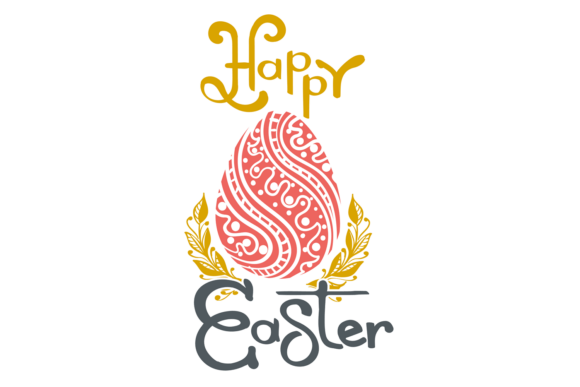
Visually, the "Retro Style" refers to design trends popular roughly between the 1940s and 1960s. This era favored strong geometric shapes, limited color palettes, and a distinct lack of gradients. In the context of an Easter poster, this translates to stylized bunnies, bold typography, and, most notably, the Red Pattern Egg. This specific motif—a vector illustration of a decorative egg rendered in a rich, saturated red—serves as the anchor of the design. It is not merely a shape; it is a canvas for intricate patterns, often resembling vintage wallpaper or textile prints. This style works exceptionally well as a display font accompaniment or a standalone graphic element because it commands attention without overwhelming the viewer with complexity.
Visual Anatomy: The Red Pattern Egg and Decorative Elements
Understanding the components of the Easter Poster in Decorative Retro Style is crucial for effective implementation. The central figure, the Red Pattern Egg, is typically rendered as a vector illustration. This is a vital technical detail for designers and business owners. Because it is vector-based, it is infinitely scalable. Whether you are printing a massive banner for a storefront or a tiny icon for a social media profile, the lines remain crisp. The availability of this asset in EPS, JPG, SVG, and transparent PNG formats ensures maximum flexibility across different software environments, from Adobe Illustrator to Canva.
The "decorative" aspect of the style implies a layer of ornamentation that goes beyond simple illustration. It suggests a fusion of illustration and typography. In many retro designs, the typeface acts as an image. You might see a serif font with heavy, bracketed serifs, or a script font that mimics hand-painted signage. These are not the clean, minimal sans serif fonts of Silicon Valley; they are expressive, full of character, and designed to evoke emotion. When paired with the red egg, these elements create a cohesive brand identity that feels established and trustworthy. The retro style suggests that a brand has roots, stability, and a commitment to aesthetics that transcends fleeting trends.
Strategic Applications: From Packaging to Digital Campaigns
For entrepreneurs, marketers, and small business owners, the utility of an Easter Poster in Decorative Retro Style extends far beyond a seasonal greeting card. This aesthetic is a powerful tool for brand strategy. Consider a bakery or a confectionery shop. Using this retro style for packaging design immediately communicates "homemade," "artisanal," and "traditional recipe." The visual weight of the Red Pattern Egg on a chocolate box wrapper or a shopping bag creates a visual hierarchy that draws the eye to the product, while the vintage typography assures the customer of quality.
In the digital realm, the application is equally potent. Content creators and bloggers can leverage this style for social media graphics to cut through the noise of generic, flat-design posts. A retro-styled Easter graphic stands out in an Instagram feed because it possesses texture and personality that modern minimalism often lacks. Furthermore, the availability of transparent PNG files allows for seamless integration into web design and video overlays. You can place the Red Pattern Egg over a video background or a photograph without worrying about clashing white boxes or jagged edges, ensuring a professional and polished look for your digital marketing assets.
Practical Guidance for Designers and Crafters
When integrating this style into your projects, practical considerations regarding readability and font pairing are paramount. Retro display fonts, while visually striking, can sometimes sacrifice legibility at smaller sizes. Therefore, when using an Easter Poster in Decorative Retro Style for body text or detailed information, it is advisable to pair it with a clean, modern sans serif font. This contrast creates a dynamic visual hierarchy: the retro style grabs attention for headlines, while the sans serif ensures the details—like dates, times, and addresses—are easily digestible.
For crafters and hobbyists, specifically those utilizing cutting machines like Cricut or Silhouette, the SVG format is the gold standard. SVGs allow you to manipulate individual layers of the Red Pattern Egg vector. You could change the fill color of the pattern to match a specific party theme or remove the pattern entirely to create a sticker outline. This level of customization is what separates amateur crafting from professional-level design assets. It allows you to create cohesive sets of party favors, invitations, and decor that look like they were designed by a professional agency.
Licensing, Quality, and Long-Term Value
Finally, a note on professionalism and commercial font usage. When selecting an Easter Poster in Decorative Retro Style, ensure you are sourcing from a reputable provider that offers clear commercial licensing. As a publisher or business owner, the legal right to use an asset in commercial products is non-negotiable. A premium font or vector pack usually comes with a license that covers both physical merchandise and digital distribution, giving you peace of mind.
Investing in high-quality design assets like this retro Easter collection is an investment in your brand's perceived value. It demonstrates to your audience that you care about the details. Whether you are a designer building a client's seasonal campaign or a marketer looking to inject some personality into a newsletter, the decorative retro style offers a versatile, engaging, and timeless solution. It bridges the gap between the past and the present, offering a festive spirit that feels both familiar and refreshingly distinct in today's market.