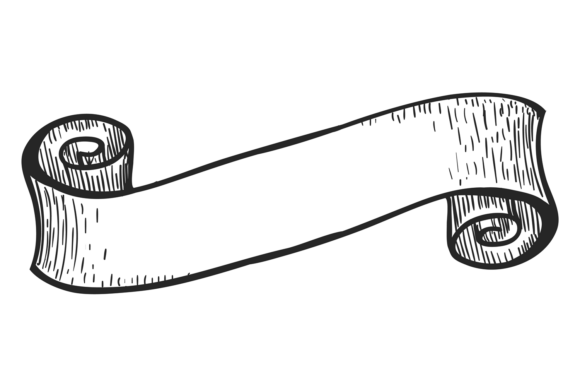
Decorative Paper Parchment Scroll in Vintage Engraving Style
There is a specific kind of visual storytelling that relies on history. When you need a design element that feels established, textured, and steeped in narrative, the Decorative Paper Parchment Scroll collection is a vital asset. This particular set of assets—featuring isolated vintage engraving styles available in EPS, JPG, SVG, and transparent PNG formats—offers more than just a "paper effect." It provides a bridge between modern digital precision and the tactile, imperfect beauty of historical printing.
For designers, entrepreneurs, and content creators, the challenge is often finding assets that don't look like they were churned out of a generic template factory. You want authenticity. The Decorative Paper Parchment Scroll in Vin aesthetic captures the essence of aged paper, complete with the intricate line work associated with wood or copper engraving. It is not merely a texture; it is a composition of visual language that speaks of heritage, permanence, and craftsmanship.
The Anatomy of the Vintage Engraving Style
Understanding why this asset works requires looking at its visual personality. The defining characteristic here is the "engraving" look. Unlike a simple high-contrast image, engraving relies on cross-hatching, line weight variation, and intricate detailing to create depth and shadow. When applied to a parchment scroll format, this style mimics the look of a historical proclamation or a vintage map.
The appeal of the Decorative Paper Parchment Scroll lies in its versatility within a specific niche. It avoids the sterility of modern, flat design. Instead, it embraces a "grunge" aesthetic that is organic and imperfect. The visual noise—the subtle grain of the paper and the sharpness of the engraving lines—adds a layer of credibility to the design. It feels tangible. For a viewer scrolling through a feed of clean vector graphics, this texture acts as a visual pause, demanding attention through its complexity and warmth.
Strategic Applications for Modern Creators
While the style is rooted in the past, its application in modern design is incredibly relevant. The key is to use the Decorative Paper Parchment Scroll to create contrast or context. Here is how different professionals can leverage these assets:
Branding and Logo Design
For businesses in the craft, spirits, artisanal food, or heritage clothing sectors, this asset is a goldmine. A premium font paired with a parchment background creates an immediate association with quality and tradition. If you are designing a logo for a whiskey distillery or a bespoke tailor, placing the typography over a subtle Decorative Paper Parchment Scroll texture can ground the brand identity. It tells the customer, "We take our time, and we value the craft." It transforms a flat logo into a story.
Editorial and Publishing Design
In editorial design, particularly for magazines, e-books, or blog headers, this style excels at setting a mood. It is perfect for chapter dividers, pull quotes, or background elements in layouts that discuss history, literature, or classic philosophy. The vintage engraving style provides a sophisticated backdrop that allows a clean sans serif font or a bold serif font to pop. It creates a hierarchy where the text feels important, almost like a decree.
Packaging and Product Design
Product packaging relies heavily on shelf appeal. A transparent PNG of a scroll can be overlaid onto product boxes, labels, or bags to add a tactile dimension. This is particularly effective for packaging design for gourmet foods, soaps, or stationery. The "paper on paper" look creates a meta-texture that feels premium. It suggests that the product inside is wrapped with care.
Digital Marketing and Social Media
On social media, attention is currency. Using the Decorative Paper Parchment Scroll as a background for quotes, announcements, or testimonials can significantly boost engagement. The visual complexity of the engraving style stops the scroll. It is excellent for social media graphics promoting events, sales, or storytelling posts. Because the asset is available in SVG, it scales perfectly for web banners without losing quality, ensuring your web design remains crisp.
Technical Considerations and File Formats
A major advantage of this specific asset pack is the inclusion of multiple file formats. This isn't just a JPG you have to work around; it is a versatile toolkit.
- Transparent PNG: This is your best friend for layering. You can place the scroll over a solid color background, a photo, or a gradient without worrying about white box edges. This allows the underlying color to influence the texture, changing the mood from antique cream to sepia or even a dark, dramatic overlay.
- EPS and SVG: These vector formats are crucial for modern typography and scaling. If you are using the scroll element as part of a large-scale print—like a trade show banner or a poster—vectors ensure the engraving lines remain sharp. They also allow for color manipulation in software like Adobe Illustrator, letting you customize the asset to fit your exact brand identity.
- JPG: Best for quick use in digital environments where file size matters, such as email headers or website backgrounds where a slight loss in quality is acceptable for faster load times.
Pairing Typography with the Parchment Aesthetic
One of the most common questions regarding vintage assets is: What fonts work with this? The Decorative Paper Parchment Scroll has a very distinct personality—ornate and detailed—so your typography needs to balance it.
Avoid overly complex script fonts or handwritten fonts for body text. The background texture is already busy; adding a hard-to-read script will result in visual chaos. Instead, consider this approach for effective font pairing:
- The Header: Use a bold display font or a classic serif font. Think fonts with high contrast and strong verticals. This creates a strong anchor point that stands up to the texture of the engraving.
- The Body Copy: Use a clean, geometric sans serif font. The simplicity of the sans serif will provide a "clean window" for the reader, ensuring readability even against the textured background.
- The Accent: If you must use a script font, limit it to very short words like "And," "The," or a small logo accent. Keep it large and legible.
The goal is contrast. You want the crispness of the modern type to juxtapose the roughness of the vintage paper. This creates a dynamic tension that makes the design feel current rather than dated.
Evaluating Fit and Commercial Licensing
Before integrating the Decorative Paper Parchment Scroll into your workflow, it is essential to evaluate the project fit. This asset is a creative font companion—it is a design element that supports typography, not replaces it. Ask yourself: Does my brand voice rely on history, craftsmanship, or organic qualities? If the answer is yes, this is a match.
Furthermore, always review the licensing. If you are a small business owner or a freelance designer, you need to ensure the asset is cleared for commercial use. Using assets with clear licensing protects you and your clients from legal headaches down the road. Treat these assets as you would a premium font—with respect for the creator's terms.
Practical Tips for Implementation
To get the most out of this style, consider these practical design observations:
- Opacity is Key: You rarely need the texture at 100% opacity. Try dropping it to 20-30% over a solid background. This gives a hint of the vintage grain without overwhelming the content.
- Color Grading: The engraving lines are usually black or dark grey. Use a "Color Overlay" or "Multiply" blending mode in Photoshop to tint the scroll to match your brand palette. A deep navy or charcoal scroll looks more sophisticated than pure black.
- Cropping: Don't just center the scroll. Crop into the edges. Showing only a portion of the scroll creates a sense of scale and makes the design feel larger than the canvas.
The Decorative Paper Parchment Scroll in Vin style is more than just a nostalgic nod. It is a strategic design asset that adds depth, credibility, and visual interest to a wide range of projects. By understanding its technical strengths and pairing it with the right typography, you can create designs that feel both timeless and thoroughly professional. Whether for logo design, packaging